Wondering what it’s really like to live near Houston’s Medical Center? This area offers unmatched convenience for many people, but it does not live like a quiet, traditional neighborhood. If you are thinking about renting, buying, or relocating here, it helps to understand the pace, housing mix, and day-to-day routine before you make a move. Let’s dive in.
What Living Near Houston Medical Center Feels Like
The Medical Center Area works more like a high-functioning campus district than a classic residential neighborhood. The City of Houston notes that the area includes the original Texas Medical Center campus, Hermann Park, and surrounding private development, while the district itself has grown far beyond its original footprint.
That scale shapes daily life. UTHealth describes the Texas Medical Center as the largest comprehensive medical complex in the world, with 21 hospitals, more than 9,200 licensed beds, a 1,345-acre campus, and about 10 million patient visits each year. In simple terms, you are living near one of Houston’s busiest employment and institutional hubs.
For you, that can mean excellent access to work, research, transit, and major city amenities. It also means a faster pace, more movement throughout the day, and an environment influenced by hospital schedules, visitors, students, and shift changes.
Getting Around the Medical Center Area
If your routine revolves around the campus, transportation can be one of the biggest advantages of living nearby. You have several ways to move around, which makes the area more flexible than many other Houston districts.
METRORail Access
METRORail’s Red Line runs along Main Street and connects downtown Houston with the Texas Medical Center. METRO says riders can get off at Memorial Hermann Hospital/Houston Zoo, Dryden/TMC, or the TMC Transit Center.
That rail access can make commuting easier if you work or study in the area. It also gives you a practical connection to other central Houston destinations without relying on your car for every trip.
Campus Shuttle Options
Texas Medical Center operates weekday Red and Green shuttle routes across the campus. The Green route runs Monday through Friday from 4:30 a.m. to 11:00 p.m., while the Red route runs Monday through Friday during morning and afternoon commuting windows.
UTHealth also runs a shuttle Monday through Friday from 6:00 a.m. to 8:30 p.m. If you spend most of your time on or near campus, these systems can make daily movement more manageable.
Biking and Driving
UTHealth notes that more than 1,000 cyclists commute daily to the Texas Medical Center. That tells you biking is already part of the area’s transportation mix, especially for people with short commutes.
At the same time, this is not a car-free district. Public garages are available for a fee, and parking remains part of everyday life for workers, patients, visitors, and residents. In practice, the Medical Center supports a car-light lifestyle for some people, but not a fully car-free one for most households.
What the Pace and Noise Are Like
If you are sensitive to noise or prefer a slower residential feel, this is one of the most important things to understand. The available sources do not provide an official neighborhood-wide noise metric, but the area is best understood as more active and operational than nearby residential neighborhoods.
That makes sense when you consider what is concentrated here: hospitals, transit stops, shuttles, parking facilities, research institutions, and a very large daily population. The busiest blocks are likely closest to hospital entrances and rail stops.
This does not mean every block feels chaotic. It does mean you should expect a steady flow of people and movement, especially compared with more residential parts of the inner loop.
Housing in the Medical Center Area
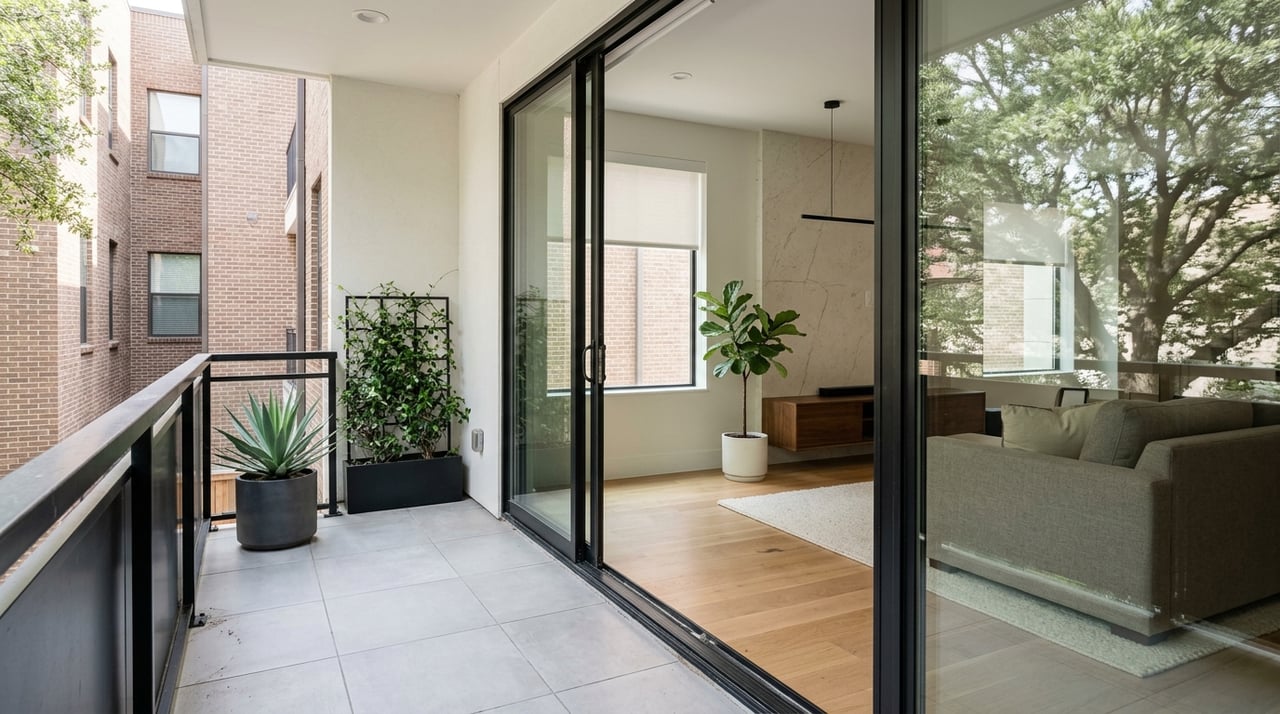
The housing mix here is one of the clearest signs that the Medical Center is built for density. According to the City of Houston’s 2023 housing tables, the area has 1,735 units in buildings with 10 or more units, compared with 132 detached units and 197 attached units.
That means apartments, larger multifamily buildings, and other high-density housing types are the norm. Detached home choices are much more limited inside the district itself.
The ownership mix reflects that pattern too. The City of Houston reports 1,057 renter-occupied units and 703 owner-occupied units, which works out to about 60.1% renters and 39.9% owners.
What That Means for You
If you want proximity and convenience first, the Medical Center core may be a strong fit. If you picture a traditional Houston streetscape with more detached homes and a quieter residential rhythm, you may want to compare nearby areas before deciding.
This is especially helpful if you are relocating and trying to balance commute time with your preferred living environment. A short commute can be a major quality-of-life upgrade, but so can the right housing type and neighborhood feel.
Parks and Outdoor Space Nearby
One of the biggest benefits of living near the Medical Center is how close you are to major green space. That access can offset the district’s intense workday pace and make daily life feel more balanced.
Hermann Park Access
Hermann Park is one of the area’s defining amenities. Hermann Park Conservancy describes it as a 445-acre urban park with an estimated six million visitors each year, located near downtown, the Texas Medical Center, Rice University, and the Museum District.
The park includes attractions and outdoor spaces such as the railroad, pedal boats, McGovern Centennial Gardens, the Japanese Garden, and multiple METRORail connections. For residents nearby, that means easy access to a large, established public space for walking, relaxing, and spending time outdoors.
Brays Bayou Greenway
Brays Bayou also adds meaningful outdoor access. Houston Parks Board says the Brays Bayou Greenway passes the Texas Medical Center and will include more than 30 miles of public greenspace and hike-and-bike trails.
The City of Houston says Bayou Greenways 2020 is building a 150-mile network of parks and trails while expanding access to about 3,000 acres of greenspace. If you value outdoor movement, this is a meaningful part of the area’s appeal.
Dining and Everyday Convenience
The Medical Center core is built around work and institutional uses, so the dining pattern is practical. You can expect convenient food options during the day, but many broader dining and shopping choices are strongest just outside the core.
Rice University notes that Rice Village is adjacent to campus, walkable, and useful for coffee, quick lunches, sweet treats, boutique shopping, and a broader shopping and dining mix. The university also points to nearby access to Hermann Park and the Museum District.
For many residents, that creates a simple routine. Work hours may center on quick and convenient options near campus, while evenings and weekends may pull you toward Rice Village, the Museum District, or other nearby inner-loop destinations.
How the Medical Center Compares Nearby
Choosing this area often comes down to lifestyle priorities. The Medical Center is highly practical and well connected, but it feels different from surrounding neighborhoods.
University Place
The City of Houston describes University Place as a community with single-family homes, duplexes, apartments, student housing, and other neighborhood uses. Its housing profile includes far more detached homes than the Medical Center core.
If you want a more residential setting while staying relatively close to the Medical Center, this area may offer a different feel. The city also describes University Place as having the charm of a close-knit village.
West University and Rice Village
Visit Houston describes West University and Rice Village as tree-lined and pedestrian-friendly, with diverse dining and shopping. This area tends to offer more of the classic neighborhood atmosphere many buyers and renters picture when they think about inner-loop living.
If your priority is a walkable dining scene and a more neighborhood-oriented setting, this comparison matters. You may find the Medical Center better for direct convenience and Rice Village better for lifestyle texture.
Midtown
If you want to compare the Medical Center with a more nightlife-heavy district, Midtown is a useful contrast. Visit Houston describes Midtown as a lively area with Houston’s most popular nightlife scene.
That makes Midtown a very different choice. The Medical Center is more work-first and transit-supported, while Midtown is more entertainment-focused.
Who the Medical Center Area Fits Best
The Medical Center Area can work especially well if your daily routine is tied closely to the campus. That may include people who work nearby, study nearby, or simply want to minimize commute time and stay close to rail, shuttles, and central Houston amenities.
It may also appeal to renters or buyers who are comfortable with multifamily living and want quick access to parks, transit, and surrounding inner-loop neighborhoods. If that sounds like your lifestyle, the trade-offs may feel well worth it.
If you want more detached-home options, a quieter daily pace, or a more classic residential identity, comparing nearby neighborhoods is a smart move. In Houston, small location changes can make a big difference in how your day feels.
Final Thoughts on Daily Life Here
Living near Houston Medical Center is less about a traditional neighborhood vibe and more about convenience, density, and access. You are close to one of the city’s most important employment centers, multiple transit options, major green space, and nearby dining districts that can round out your routine.
For the right person, that mix can be incredibly practical. The key is making sure your home choice matches not just where you need to go, but how you want your everyday life to feel.
If you are weighing the Medical Center Area against nearby Houston neighborhoods, Sugra Shaik can help you compare commute, housing options, and lifestyle fit with clear, personalized guidance.
FAQs
What is daily life like near Houston Medical Center?
- Daily life near Houston Medical Center tends to feel fast-paced and practical, with routines shaped by hospitals, research activity, transit, visitors, and shift work rather than a traditional residential town center.
Is the Houston Medical Center Area easy to get around without a car?
- The area offers strong transit support through METRORail’s Red Line, Texas Medical Center shuttles, UTHealth shuttles, and bike commuting, but it still functions as a place where cars and paid parking remain part of daily life.
What types of homes are common near Houston Medical Center?
- The Medical Center Area is dominated by high-density multifamily housing, especially buildings with 10 or more units, while detached homes are much less common within the district.
Are there parks near the Houston Medical Center?
- Yes, Hermann Park is a major nearby amenity, and Brays Bayou Greenway adds additional public greenspace and hike-and-bike trail access.
How does the Medical Center compare with Rice Village or University Place?
- The Medical Center is more work-first, dense, and transit-oriented, while nearby areas like Rice Village and University Place offer a more residential feel, broader dining options, and more traditional neighborhood character.
Is living near Houston Medical Center a good fit for buyers and renters?
- It can be a strong fit if you value proximity to campus, transit access, and multifamily living, but it may be less appealing if you want a quieter setting or more detached-home options.